Protecting Your Classic Car from Arizona Heat and Dust
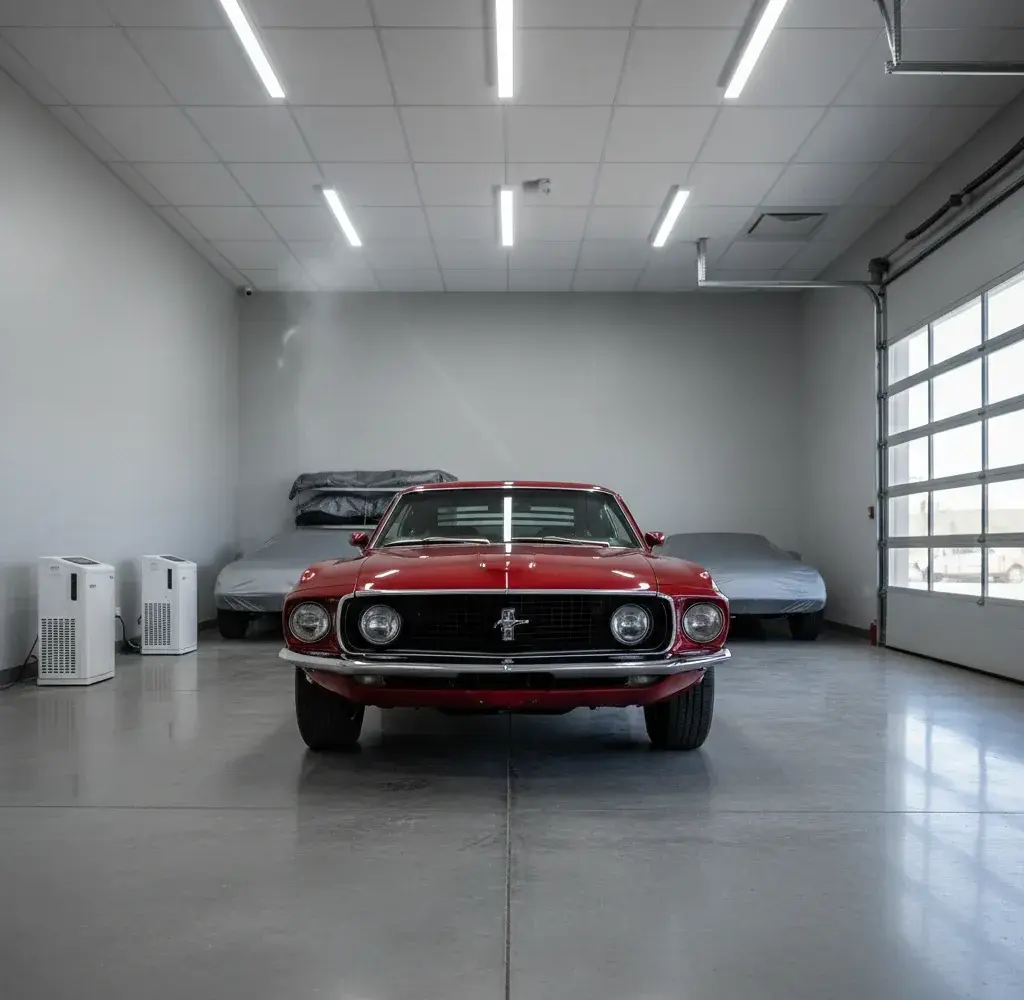
Arizona is one of the most beautiful states in the country, but it’s also one of the most punishing environments on the planet for a classic car. Between triple-digit summer temperatures, relentless UV exposure, and fine Sonoran Desert dust that works its way into every crevice, the Phoenix area presents a unique set of challenges for collectors and enthusiasts who want to preserve their investment. The good news is that with the right preparation and the right storage solution, your classic car can come through the Arizona summer looking and running just as it did when you parked it.
Whether you’ve owned your vehicle for decades or recently acquired a vintage muscle car or restored roadster, understanding how the desert environment attacks your car is the first step toward protecting it. This guide walks you through the specific threats Arizona’s climate poses, the prep steps every owner should take before long-term storage, and why climate-controlled storage is not optional when it comes to classic car heat protection in Arizona.
Why Arizona’s Climate Is a Classic Car’s Worst Enemy
Phoenix regularly records summer temperatures above 110° F, and that heat doesn’t just make you uncomfortable, it actively degrades your vehicle. Rubber components like hoses, gaskets, belts, and weather stripping lose elasticity and crack at an accelerated rate when exposed to sustained high heat. Brake fluid and coolant absorb moisture over time, and in extreme heat, that moisture-contaminated fluid can boil or corrode internal components. Paint oxidation, which might take years in a milder climate, can visibly dull a finish within a single Arizona summer.
Desert dust is another persistent threat. The fine dust common in the Phoenix area isn’t just surface-level grime; it gets into engine bays, clogs air filters, and works into upholstery fibers and door seals. Sand particles are abrasive, and when they settle on painted surfaces and are wiped away without proper washing, they leave micro-scratches that compound over time. For classic cars with original paint or delicate interior materials, this kind of gradual damage is hard to reverse.
UV exposure is equally destructive. Arizona receives more annual sunshine than nearly any other state, and prolonged UV exposure fades paint, cracks dashboards, and deteriorates convertible tops and vinyl interiors. Beyond the cosmetic damage, the seasonal temperature swings between Arizona’s hot summers and cooler winters cause metal components to repeatedly expand and contract. Over time, this causes stress on seals and gaskets, the same components that keep oil in the engine and water out of the cabin. If you’re weighing your storage options early, our comparison of drive-up vs. climate-controlled storage in Phoenix is a great place to start.
Essential Prep Steps Before Storing Your Classic Car
How you prepare your vehicle before storage matters just as much as where you store it. Skipping even one of these steps can mean returning to a car with a dead battery, flat-spotted tires, or a corroded brake system. Take the time to work through this checklist before you lock up the unit.
- Perform a full fluid check: Top off or replace engine oil, coolant, and brake fluid. Moisture-contaminated fluids left sitting in a hot storage environment accelerate internal corrosion. Fresh fluids provide a protective barrier throughout the storage period.
- Clean and wax the exterior thoroughly: A quality carnauba or polymer wax creates a protective barrier against UV damage and dust accumulation. Don’t skip the wheel wells and undercarriage, as these areas trap moisture and debris that can cause rust.
- Use a breathable, high-quality car cover: Even indoors, a breathable cover guards against fine desert particulates settling on the finish. Avoid non-breathable plastic covers, which trap moisture and can cause condensation damage.
- Inflate tires to the recommended pressure and use jack stands: For storage longer than 30 days, placing the vehicle on jack stands removes the weight load from the tires entirely, eliminating the risk of flat spots on vintage rubber.
- Manage the battery: Disconnect the battery for short-term storage or connect a quality trickle charger for longer periods. This prevents sulfation, which is the buildup of crystals that permanently reduces battery capacity.
Why Climate-Controlled Storage Is a Must in the Desert
Some vehicle owners assume that because Arizona is dry, climate control is less important than it would be in a humid climate. That reasoning overlooks a few critical realities. First, a standard drive-up storage unit in Phoenix can reach interior temperatures of 130°F or more on a summer afternoon. These are temperatures that warp dashboards, degrade adhesives holding headliners and trim in place, and cause rubber seals to fail prematurely. Climate-controlled units maintain stable temperatures year-round, helping you avoid the heat cycles that do the most damage to classic interiors and original components.
For a deeper look at how climate control works to protect stored items, our guide to climate-controlled storage covers the details worth knowing.
When comparing climate-controlled versus standard drive-up units for classic car storage in AZ, the difference in long-term protection is significant. Classics with original upholstery, rubber trim, and period-correct paint simply cannot tolerate the same conditions as a modern daily driver. Month-to-month rates make climate-controlled storage a practical solution for snowbirds and seasonal owners who only need coverage part of the year, with no long-term commitment required. Advantage Storage facilities in the Phoenix area offer climate-controlled solutions designed with vehicle owners in mind, giving you the peace of mind that your investment is in a stable facility between drives. You can explore storage options in Phoenix to find a facility near you.
Start With the Right Storage Solution for Your Classic
Every step in this guide, from the prep work and ongoing maintenance to the post-storage checklist, depends on having the right foundation: a storage environment that actively works to protect your vehicle rather than expose it to more risk. In the Phoenix area, that means climate-controlled storage is the baseline, not an upgrade.
Advantage Storage facilities across the Phoenix area offer climate-controlled solutions built for exactly this environment. Whether you’re storing a vintage muscle car, a restored convertible, or even looking into ATV storage in Phoenix between riding seasons, flexible month-to-month rates mean you only pay for the time you need. Explore Advantage Storage locations across Arizona to find climate-controlled options near you, and give your classic the protection it deserves.